

Post Preview
Key Takeaways
- Leaks, temperature changes, rusty water, and unusual sounds can have several possible causes.
- A leak at a fitting or valve may be repairable, while a leak through the tank body usually requires replacement.
- Tank, tankless, heat pump, gas, and electric models have different space, capacity, and installation needs.
- Never block a temperature-and-pressure relief discharge pipe or touch wet electrical equipment.
- Routine visual checks can help Orem homeowners plan for service before a sudden failure occurs.
Table of Contents
- Warning Signs That Deserve Attention
- What Common Symptoms May Mean
- Water Heater Safety Basics
- Repair or Replace: How to Decide
- Comparing Common Water Heater Types
- How to Choose the Right Size
- A Simple Maintenance Plan
- When to Call a Qualified Professional
In Orem, Utah, a dependable supply of hot water matters year-round, especially when colder weather raises the demand on plumbing equipment. Whether a unit is making new noises, delivering lukewarm water, or leaving moisture on the floor, early attention can help limit inconvenience and water damage. Homeowners considering water heater installation in Orem, Utah can make a better decision by first understanding what the warning signs may mean.
A water heater problem does not automatically mean the entire unit has failed. A loose connection, worn heating element, malfunctioning control, sediment buildup, or failing tank can produce very different symptoms. Safety comes first, followed by a clear look at the system’s condition, age, household demand, and installation requirements.
Warning Signs That Deserve Attention
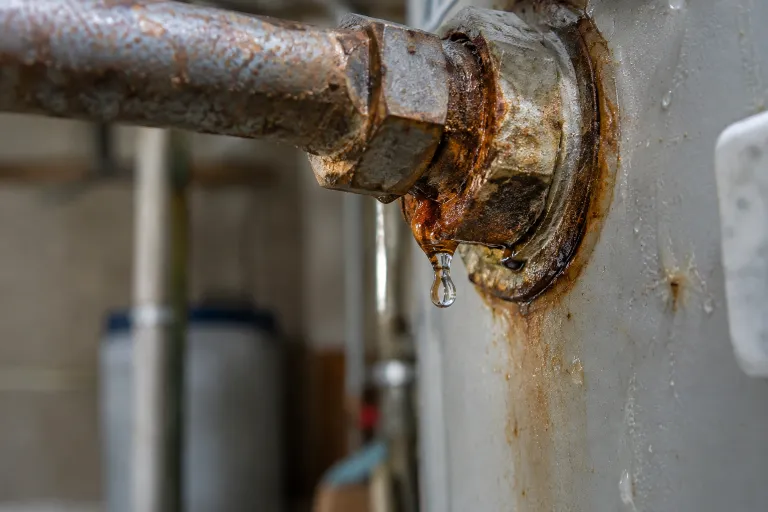
Water pooling near the unit, hot water that disappears sooner than usual, rusty or cloudy water, rumbling sounds, temperature swings, or a dripping relief pipe all deserve attention. Higher utility costs can also be a clue when household routines have not changed. One sign alone rarely provides a complete diagnosis. For example, moisture at a threaded connection is different from corrosion that has opened a hole in the tank itself.
What Common Symptoms May Mean
Cold or Lukewarm Water
If every fixture has reduced hot water, the issue may involve the heater’s power source, thermostat, heating element, burner, control system, or capacity. If only one faucet has a problem, the cause may be closer to that fixture. Note when the change started, whether it was sudden or gradual, and which showers or faucets are affected before arranging service.
Noisy Operation
Popping, crackling, or rumbling can occur when mineral sediment collects near the bottom of a storage tank. This buildup can interfere with heat transfer and may make operation noisier. Noise alone does not prove replacement is needed, but it is useful information for a qualified technician assessing the unit.
Leaks and Discolored Water
Observe leaks from a safe distance without removing panels or adjusting controls. Water from a supply connection, drain valve, or relief valve may have a different remedy than water emerging from the tank seam or base. Rust-colored hot water can also come from aging plumbing or corrosion inside the heater, so the source should be identified before choosing a repair.
Water Heater Safety Basics
Do not treat a water heater as a casual do-it-yourself project when heat, gas, pressure, or electricity may be involved. Keep children away from damaged equipment and hot discharge water. Do not cap, plug, or block the temperature-and-pressure relief pipe, which is designed to discharge if excessive temperature or pressure develops.
- Do not touch electrical components while standing in water.
- Do not adjust gas controls unless trained to do so.
- Leave the area and contact emergency services or the gas utility if there is a strong gas odor.
- Call for service if the relief pipe releases hot water or continues dripping.
Repair or Replace: How to Decide
A balanced decision starts with the actual failure, not simply the unit’s age. A worn heating element, thermostat, igniter, or accessible connection may be worth repairing when the tank is sound. Repeated leaks, widespread corrosion, or a leak through the tank body are stronger reasons to evaluate replacement.
- Identify the failed part or visible source of the problem.
- Check the system’s approximate age, warranty, and maintenance history.
- Compare repair cost with the cost of proper replacement and installation.
- Consider household hot-water use, operating costs, and future remodeling plans.
- Ask whether the proposed work resolves the cause rather than only the symptom.
Comparing Common Water Heater Types
The right water heater for an Orem home depends on demand, available space, fuel or electrical capacity, venting, drainage, and budget. This comparison highlights the main differences.
|
Type |
How It Works |
Key Consideration |
|
Storage tank |
Heats and stores a set volume of water |
Needs correct tank size and recovery rate |
|
Tankless |
Heats water as it flows |
Must meet simultaneous flow and venting needs |
|
Heat pump |
Moves heat from surrounding air into water |
Needs suitable indoor space and airflow |
Tank systems are familiar and commonly have a lower initial equipment cost, but they can lose heat while water sits in the tank. Tankless systems avoid stored-water standby loss, yet must be sized for the incoming water temperature and the number of fixtures operating together. Heat pump water heaters use a different approach by moving heat from surrounding air, and heat pump water heater buying guidance notes that installation space, air temperature, and maintenance needs should be reviewed before selecting one.
How to Choose the Right Size
Do not choose a replacement by tank gallons alone. Consider how many people live in the home, how many showers may run in the same hour, and whether appliances, baths, or soaking tubs add to peak demand. Storage systems are often evaluated by first-hour delivery and recovery rate, while tankless systems are evaluated by flow rate and temperature rise. A two-person household with staggered showers may need less capacity than a larger household with several morning showers.
Federal definitions recognize storage, instantaneous, and heat pump equipment as separate consumer water-heater categories, as explained in the Department of Energy’s consumer water heater information. A qualified assessment can also identify whether new venting, wiring, piping, drainage, or permits are needed.
A Simple Maintenance Plan
Follow the owner’s manual because maintenance needs vary by model. Each month, look for moisture, rust, staining, new sounds, or changes in hot-water performance, and keep the surrounding area clear. During an annual review, inspect accessible connections, the drain pan, and discharge piping, then ask whether sediment, scale, or anode rod wear should be addressed.
Flushing may help manage sediment in some systems, but it is not a universal cure. It will not repair a corroded tank, damaged wiring, failed control, or a unit that cannot meet household demand.
When to Call a Qualified Professional
Visit this website: Yilmaz Bektas Net Worth, Age, Height, Wife and Children
Contact a qualified professional when the tank is leaking from its body or base, water is dangerously hot, the relief pipe releases hot water, electrical parts are wet, soot appears near a gas appliance, or hot water repeatedly fails. Keep the model information, approximate age, visible symptoms, recent plumbing work, and maintenance records available. Prompt attention can turn an unexpected water heater failure into a planned, safer home-maintenance decision.
