

Key Takeaways
- Short puzzle sessions can create a useful pause between responsibilities and digital distractions.
- Word, number, and logic puzzles offer different kinds of challenges, so variety matters.
- A routine is more likely to last when it feels pleasant, flexible, and easy to begin.
- Ten focused minutes can be more realistic than saving an hour for a single weekly session.
- Puzzles are a hobby, not a replacement for sleep, movement, relationships, or professional care.
A daily puzzle habit is one of the simplest ways to make a little room for quiet attention. Whether the preferred format is a crossword, word search, fill-in, Sudoku grid, or logic challenge, the goal is not to solve everything perfectly. It is to spend a few minutes doing one activity at a time. For a wide range of options, explore more puzzle formats that fit a morning coffee, a lunch break, a commute, or an evening wind-down.
Unlike another demanding task on a to-do list, a puzzle can have a clear beginning and end. One clue, one row, or one small page is enough. That modest boundary can make the activity easier to return to, especially on days when concentration feels scattered.
Why Small Daily Habits Work Well
Small habits reduce the pressure to find a large block of free time. A person can solve three clues before work, circle words during a break, or complete a short number puzzle before bed. The session is defined by the available time, not by a rule that every page must be finished.
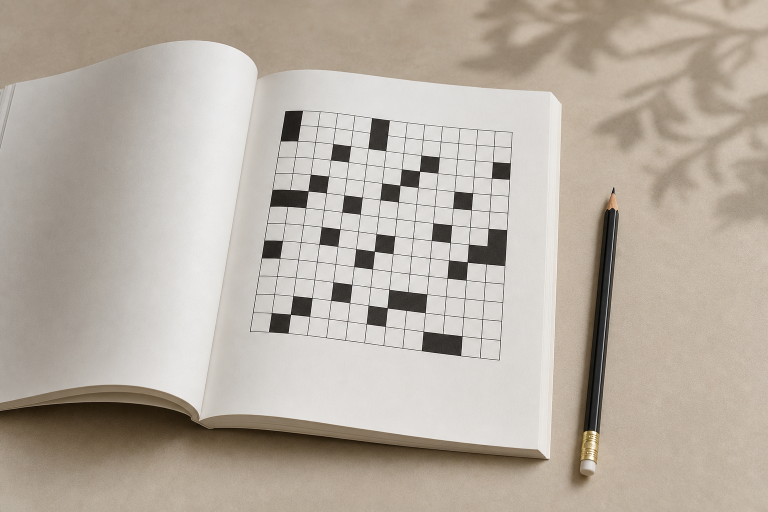
Consistency also becomes easier when supplies are visible. A puzzle book and pencil on a kitchen counter, desk, or bedside table removes the extra step of deciding what to do. The easier a habit is to start, the less it has to compete with distractions.
How Puzzles Can Create Focused Time
A puzzle gives the mind a specific problem, a set of rules, and visible progress. That is different from moving quickly among messages, alerts, videos, and unfinished tasks. Solvers can direct attention toward a clue, a pattern, or a possible answer, then see the result on the page.
One short session will not transform attention overnight. Still, repeating a deliberate, single-task activity can help establish a more intentional rhythm. It can also be a useful alternative when a person wants a break from screens without needing to plan an elaborate hobby.
Picking the Right Puzzle Type
The best puzzle depends on mood, energy, and time available. A person who wants a gentle visual task may not enjoy the same format that appeals to someone looking for a difficult mental challenge.
- Crosswords combine clue solving, word recall, and language patterns.
- Word searches offer relaxed visual scanning with straightforward rules.
- Sudoku uses number placement and process of elimination rather than arithmetic.
- Fill-ins suit people who enjoy fitting words into a grid from letter patterns.
- Logic puzzles reward testing possibilities and drawing conclusions.
- Coloring and variety puzzles can provide a less verbal change of pace.
A Five-Step Daily Puzzle Routine
- Choose a regular time. Attach the activity to something that already happens, such as breakfast or the end of work.
- Start with ten minutes. A short session keeps the barrier low.
- Keep supplies nearby. Put the book, pencil, and reading glasses in one easy-to-reach place.
- Reduce interruptions. Silence notifications or place the phone out of reach.
- Stop while it is still enjoyable. Leaving a puzzle unfinished can create a pleasant reason to return.
How to Match the Puzzle to the Moment
Use a word search when relaxation matters more than speed. Choose a crossword when there is energy for clues and vocabulary. Turn to Sudoku or a logic grid when a structured challenge sounds satisfying. After a tiring day, an easier puzzle may be the better choice. Save tougher pages for a weekend, a longer break, or a time when frustration is less likely to take over.
The Link Between Puzzles and Calm
Puzzles can offer a short break from repetitive thoughts because they direct attention toward an immediate task. Clear rules, small discoveries, and visible progress can make the experience feel orderly. Calm does not require a fast finish, either. If a timer creates stress, skip it and let the pace stay comfortable.
It is sensible to keep expectations balanced. The National Institute on Aging notes that evidence for a lasting cognitive benefit from mentally engaging activities is not definitive, while meaningful activities can still be enjoyable parts of a healthy routine. Keeping the mind engaged is best viewed as one element of overall well-being, not a medical solution.
Making the Habit More Social
A puzzle does not have to be solitary. Partners can trade crossword clues, a parent and child can look for words together, or family members can compare answers after dinner. A library, workplace break room, or community center might also set out a shared puzzle page for casual conversation without turning the activity into a competition.
Common Mistakes to Avoid
- Beginning with a puzzle that is far too difficult.
- Using speed as the only measure of success.
- Choosing a format solely because it is popular.
- Treating missed answers as failure instead of part of the game.
- Turning a pleasant pause into another obligation.
How to Track Progress Without Pressure
Track the habit, not just performance. A simple check mark for each completed session can show whether the routine fits naturally into the week. It can also help to notice which formats feel calming, energizing, or frustrating, and whether morning, afternoon, or evening works best.
A Practical Seven-Day Starter Plan
- Day one: Try an easy word puzzle for five to ten minutes.
- Day two: Complete a short number or logic puzzle.
- Day three: Repeat the format that felt most enjoyable.
- Day four: Solve without checking the phone.
- Day five: Invite someone to join for a few clues or one grid.
- Day six: Try a slightly harder page, then stop before it becomes discouraging.
- Day seven: Review the week and choose a simple routine to continue.
Questions Readers May Have
How long should a daily puzzle session last?
Ten to fifteen minutes is a practical starting point. On busier days, even a few focused minutes can preserve the habit.
Are puzzles better on paper or a screen?
Both can work. Paper suits people seeking a device break, while digital options can be convenient for travel or waiting rooms.
What if puzzles feel frustrating?
Switch to an easier format, take a break, or try another day. The habit should add interest and satisfaction, not extra pressure.
Conclusion
A daily puzzle practice does not require a perfect schedule or a major time commitment. A few minutes of focused play can become a dependable pause in a busy day. Choose a format that feels inviting, adjust the difficulty as needed, and keep the routine simple enough to enjoy.
