

Post Preview
Key Takeaways
- Training continues after your dog returns home.
- Consistent cues, rules, and rewards reduce confusion.
- Short practice sessions can fit naturally into everyday routines.
- Dogs need to rehearse skills in different places and around gradually increasing distractions.
- Management tools can prevent unwanted behaviors from becoming habits.
- Persistent fear, aggression, or major behavior changes call for professional and veterinary support.
A board-and-train stay can give a dog a strong foundation, but the real test begins at home. Families seeking dog obedience training Loxahatchee should view the return home as a transition period, not a finish line. Your dog has learned in a structured setting, and now those skills need to make sense amid family meals, visitors, open spaces, neighborhood sounds, and everyday errands.
In Loxahatchee, routines may include walks near quiet acreage, time in fenced yards, car rides, wildlife scents, and sudden afternoon rain. Those changing environments can make a previously solid cue look less reliable. That does not automatically mean the dog has forgotten the training. It often means the dog needs clear guidance and repeated practice in the places where family life actually happens.
Why the First Week at Home Matters
Keep the homecoming calm. A dog may be tired, excited, quiet, or unsettled after leaving the training environment. Avoid immediately introducing a busy gathering, several new people, or a long outing. Instead, maintain predictable meal times, walks, rest periods, and brief training sessions for the first few days.
Choose two or three priority behaviors to review right away, such as coming when called, waiting at a doorway, settling on a bed or in a place, or walking politely on a leash. Write down the exact verbal cue and hand signal your household will use. When everyone gives the same instruction in the same way, the dog has a clearer path to success.
Build a Simple Home Training Plan
A practical plan does not need to be complicated. Focus on the behaviors that matter most to your household, then build practice into moments that already occur each day.
- Select two or three behaviors to prioritize for the week.
- Decide where and when each behavior will be practiced.
- Choose rewards your dog enjoys, such as a treat, praise, a toy, or access to a favorite activity.
- Practice for a few minutes at a time, then end before your dog becomes frustrated or disengaged.
- Keep notes on what went well and what situations were difficult.
Make Household Rules Clear
Mixed messages can slow progress. If one person invites the dog onto the couch while another person corrects the same behavior, the dog learns that the rule changes depending on who is nearby. The same issue can arise with jumping during greetings, barking at the window, rushing through doors, or begging during meals.
Create a simple family agreement that covers approved cues, furniture rules, off-limits rooms, greeting expectations, feeding routines, and responses to unwanted behavior. Keep responses calm. Rather than repeatedly telling a dog what not to do, redirect the dog to a behavior that can be rewarded, such as going to a mat when guests arrive.
Practice Skills in More Than One Place
Dogs may not understand that “sit,” “come,” or “place” means the same thing everywhere. This is normal generalization—not stubbornness. Start in a quiet room, then practice in other rooms, the yard, driveway, and a calm outdoor setting. Consistent routines and expectations help maintain progress when surroundings change. This is especially useful during schedule changes, travel, or caregiving shifts.
Add Distractions Gradually
Start with mild distractions, such as a family member walking across the room or a toy placed nearby. Later, work around doorbells, visitors, passing vehicles, other dogs, or the distractions that come with outdoor life in Loxahatchee. If your dog stops responding, lower the difficulty. Move farther away, shorten the session, or return to an easier version of the exercise before trying again.
Reward calm attention before asking for a harder behavior. This approach gives your dog information about what earns reinforcement and helps prevent repeated mistakes from becoming frustrating for both of you.
Keep Practice Short, Frequent, and Useful
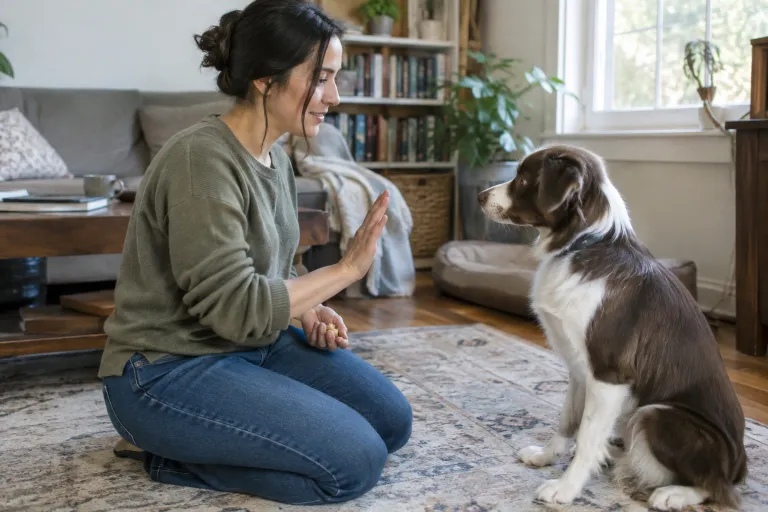
Several brief sessions are often easier to sustain than one long lesson. Ask for a wait before opening the front door, a sit before putting down a food bowl, or a recall from a short distance in the yard. Mix familiar skills with one small challenge, and leave room for rest, play, sniffing, and quiet enrichment.
Clear timing matters. Mark the desired response with a calm word or signal, then deliver the reward promptly. Reinforcement can include food, play, praise, or access to something the dog wants, such as going outside. The American Veterinary Society of Animal Behavior explains why reward-based training methods emphasize teaching and reinforcing desired behavior rather than relying on fear or discomfort.
Manage Problems Before They Become Habits
Training works best alongside management. Use baby gates to limit access to rooms, put away food and tempting objects, and provide a quiet resting space. During controlled greetings, a leash can help prevent rehearsal of jumping or rushing. Chew items, food puzzles, and scent games can also provide appropriate outlets while you work on household manners.
Some backsliding is normal during adjustment. A dog that hesitates once or ignores a cue in a new setting has not necessarily lost the skill. Look for patterns over several days, make the task easier when needed, and reward successful repetitions.
When to Ask for a Refresher Session
Follow-up coaching can help when behavior repeatedly breaks down or family members are unsure how or when to respond. Share notes or brief videos of what happens before, during, and after the behavior to help a qualified professional recommend practical next steps.
Seek prompt professional and veterinary guidance for persistent fear, sudden aggression, biting, severe anxiety, refusal to eat, or major unexplained behavior changes. Prioritize safety around children, visitors, other pets, and unfamiliar dogs.
A Practical Seven-Day Reset Plan
- Day One: Keep the home quiet and review primary cues indoors.
- Day Two: Practice easy behaviors in two different rooms.
- Day Three: Add mild household movement or sound.
- Day Four: Rehearse a polite greeting with one familiar person.
- Day Five: Practice leash skills or recall in a quiet outdoor area.
- Day Six: Revisit the hardest skill at an easier level.
- Day Seven: Review progress and set goals for the following week.
Common Mistakes to Avoid
- Expecting perfect behavior in every new environment immediately.
- Changing commands or household rules from day to day.
- Giving multiple instructions when the dog is confused.
- Adding distractions faster than the dog can handle.
- Allowing unwanted behavior “just this once.”
- Skipping practice after an early success.
Make Training Part of Everyday Life
Also read: What Parents Need To Know About Children’s Dog Bite Injuries
Long-term progress comes from steady, practical repetition at home. Clear communication, predictable rules, short training sessions, and gradual exposure to real-life distractions can help the lessons from a board-and-train stay become reliable daily habits. With patience and consistent family teamwork, your dog can carry those skills from the training setting into life throughout Loxahatchee.
