

Key Takeaways
- Start with the patio or yard conditions before choosing a shade product.
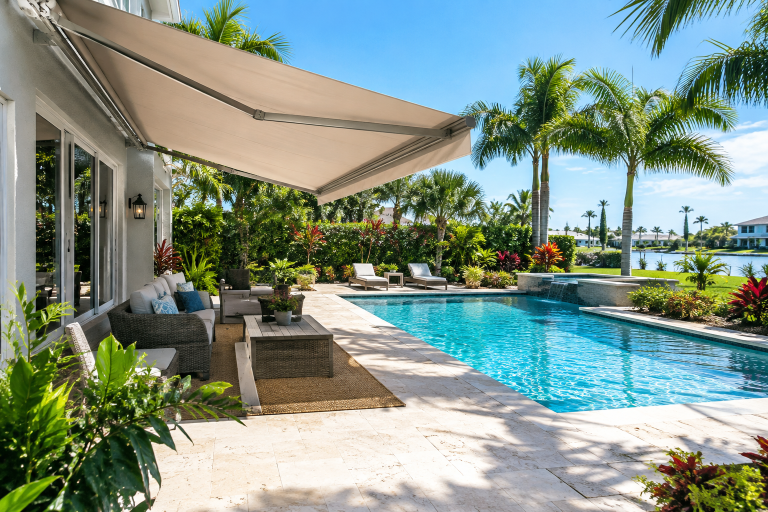
- Retractable awnings offer flexible coverage near doors, windows, patios, and lanais.
- Pergolas can create a more defined outdoor room, especially when paired with screens, lighting, or fans.
- Fabric, aluminum, and wood have different appearances, upkeep, and weather considerations.
- Every shade system needs a storm plan that follows its manufacturer’s instructions.
- Shade helps reduce direct sun exposure, but it does not provide complete UV protection.
Choosing the right outdoor shade can make a Sarasota patio, pool deck, lanai, or backyard seating area more comfortable year-round. When comparing awning Sarasota, homeowners can look to United States Awning Company, a Sarasota-based custom awning, pergola, and shade structure company offering fabric and metal awnings, retractable awnings and screens, and motorized louvered pergolas designed and fabricated to enhance outdoor living and provide functional shade across Southwest Florida. Its long-standing focus on designing, fabricating, and installing shade structures makes it a useful local reference for matching a system to Florida’s sun, rain, coastal air, and outdoor living habits.
The best choice is not always the largest structure or the most automated one. It is the option that fits the way the space is used, the direction of the sun, the exposure to wind and rain, and the level of maintenance the homeowner is prepared to handle.
Why Sarasota Homes Need A Different Shade Plan
Sarasota outdoor areas encounter bright sun, high humidity, rain, and airborne salt in coastal regions. A shade structure must do more than just enhance the home’s exterior; it should also reduce glare, improve seating comfort, and lessen direct sunlight on outdoor furniture. Poolside and waterfront zones require special care because water and light-colored surfaces can reflect sunlight. However, shade is just one aspect of sun safety.
Start With The Space, Not The Product
Before comparing styles, spend several days observing the area. A simple site review prevents common mistakes, such as adding a structure that blocks a preferred view or misses the harshest afternoon sun.
- Note direct sun in the morning, at midday, and late afternoon.
- Record width, projection, ceiling height, wall space, doors, windows, gutters, and nearby utilities.
- Dining, grilling, reading, entertaining, and poolside relaxation each call for different coverage.
- Identify roof runoff, low spots, and locations where water collects during heavy rain.
- Confirm whether an HOA, local building department, or other review process applies before work begins.
Compare The Main Outdoor Shade Options
Retractable Awnings
Retractable awnings are often a practical fit for patios, doors, balconies, and windows where flexible shade is the priority. They can extend when direct sun becomes uncomfortable and retract when homeowners want more daylight or an open-sky feel. Manual systems may suit smaller, easy-to-reach areas, while motorized operation can be helpful for larger or frequently used installations.
Fixed Awnings And Canopies
Fixed awnings and canopies provide steady coverage over entries, walkways, windows, and outdoor gathering spots. They can be a logical choice where shade is needed every day, and the homeowner does not need to open the area to full sun.
Traditional And Louvered Pergolas
A traditional pergola adds structure while allowing air and filtered light through its open top. It can support accessories such as lighting, fans, curtains, or climbing plants. A motorized louvered pergola provides more control because adjustable louvers can change the amount of overhead sunlight. These systems require thoughtful planning for anchoring, drainage, electrical service, and controls.
Retractable Screens
Side screens can complement an awning or pergola by reducing glare, adding privacy, and helping limit insects or breezes along the edge of a covered area. They are especially useful when the sun enters from the west or south rather than from directly overhead.
Choose Materials And Motorized Features Carefully
Fabric offers many colors and a softer visual style, but it should be cleaned and inspected for dirt, mildew, fading, and seam wear. Aluminum is commonly used for frames, fixed canopies, and pergolas because it creates a clean, contemporary look. In coastal settings, coated metal still benefits from routine rinsing to remove salt and debris. Wood offers natural character but generally requires more regular sealing, staining, or painting to manage moisture and wear.
Motorization adds convenience, not automatic suitability. It is most valuable for wide awnings, elevated controls, or spaces used daily. Before selecting a powered system, ask about manual operation during an outage, motor and control maintenance, and the role of wind or sun sensors. A manual system generally has fewer electronic components, while a motorized system can make frequent adjustments much easier.
Plan For Storm Conditions And Routine Care
Outdoor shade is not a substitute for hurricane-rated storm protection. Homeowners should understand exactly how their awning, screen, or pergola should be positioned before high winds and should not assume retractable components are intended to remain extended during a tropical storm. The National Weather Service advises bringing loose outdoor items inside because they can become dangerous windborne debris.
A basic maintenance routine can extend the useful life of a shade investment:
- Rinse surfaces to remove dust, pollen, and coastal residue.
- Use only cleaners approved for the specific fabric or finish.
- Inspect seams, brackets, fasteners, drainage paths, louvers, and screen tracks.
- Clear leaves and standing water after storms.
- Arrange service if a frame shifts, a motor struggles, or movement becomes noisy or uneven.
Set A Practical Budget And Ask Better Questions
Shade project costs vary with size, projection, materials, customization, electrical work, drainage needs, site preparation, permits, engineering, installation complexity, and add-ons such as lighting, fans, screens, or privacy panels. Instead of comparing proposals by price alone, compare what each written scope includes.
Questions To Ask Before Signing
- What products, installation work, and site preparation are included?
- Who is responsible for permits, approvals, and inspections if they are required?
- What warranty applies to the frame, fabric, motor, and installation?
- How should the system be cleaned and prepared for severe weather?
- Are drainage and electrical details included in the plan?
- What is the anticipated project timeline?
Final Thoughts
You may also like: How to Match a Mountain Home to Your Daily Life, Budget, and Long-Term Plans in Telluride, Colorado
A small Sarasota patio may need the adaptable coverage of a retractable awning, while a larger backyard or pool area may benefit from a pergola, louvers, or side screens. Begin with sun exposure and daily use, then weigh materials, storm procedures, maintenance, and the full project scope. That approach leads to an outdoor shade solution that feels intentional, practical, and suited to Florida living.
