

Key Takeaways
- The best mountain home should support your actual routines, not only your ideal vacation.
- Location affects access, errands, privacy, recreation, service availability, and year-round convenience.
- Condos, townhomes, single-family homes, and land involve very different ownership responsibilities.
- A realistic budget includes insurance, utilities, snow removal, repairs, management, and reserve funds.
- Rental rules, zoning, and association restrictions should be confirmed before rental income is included in your plan.
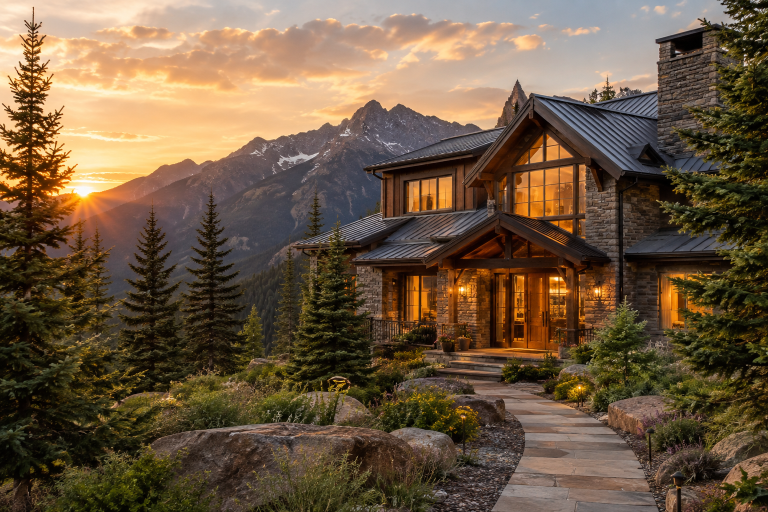
A mountain home in Telluride can mean a historic in-town residence, a ski-access condo in Mountain Village, a private retreat on a mesa, or land that invites a future build. The right choice is rarely the home with the biggest view alone. It is the one that works with your travel patterns, budget, maintenance comfort level, and plans for the years ahead.
Buyers comparing Homes for Sale in Telluride, CO can use Telluride Properties’ local listing search and neighborhood guidance to evaluate options across Telluride, Mountain Village, and surrounding San Miguel County communities. With experience in the area’s residential homes, condos, land, and mountain lifestyle properties, Telluride Properties can help buyers compare the practical differences that do not always appear in listing photos.
1. Start With How You Will Use the Home
Define the home’s primary job before you compare properties. A weekend base may benefit from a lock-and-leave layout near dining, skiing, and transportation. A full-time residence may need a larger kitchen, reliable workspace, storage, parking, and easy access to services. A future retirement home may place more value on a main-level bedroom, manageable stairs, and uncomplicated winter access.
Write down how you expect to use the home: primary residence, second home, rental, long-term investment, multi-generational gathering place, or a mix. Then estimate the number of nights you expect to stay each year. That simple exercise helps clarify whether low maintenance, privacy, rental flexibility, or proximity to town deserves the greatest weight.
2. Compare Location and Daily Routines
In Telluride, location is more than a point on a map. It shapes how you buy groceries, meet friends, reach trails, get to the ski area, receive deliveries, and handle a late-night arrival after weather delays. A walkable town setting can feel very different from a resort-oriented home in Mountain Village or a more secluded property beyond the core communities.
Tour each area through a daily-life lens. Time for the drive to groceries and medical care. Check cell coverage and internet options. Consider whether guests, cleaners, contractors, and snow-removal crews can reach the property easily. Visit in the morning and evening to understand sunlight, traffic, neighborhood activity, and privacy.
3. Choose the Right Property Type
Condos and Townhomes
Condos and townhomes can suit owners who want a simpler exterior-maintenance arrangement or access to shared amenities. Review association dues, financial reserves, rules for pets and rentals, parking assignments, insurance responsibilities, and the possibility of special assessments. Convenience is valuable, but it comes with shared decisions and governing documents.
Single-Family Homes
A single-family home may provide more privacy, storage, outdoor space, and flexibility for guests or renovations. It also places more responsibility on the owner. Roof care, drainage, decks, heating systems, driveways, snow storage, and exterior materials all deserve close inspection in a mountain environment.
Land and Custom Builds
Land can offer design control and a more tailored setting, but buyers should investigate access roads, utilities, water and sewer arrangements, site conditions, permits, construction timing, and the cost of bringing services to the building area. A beautiful parcel is not automatically a simple building project.
4. Build a Realistic Mountain Home Budget
The purchase price is only the starting point. Build an annual ownership budget that includes mortgage payments, taxes, insurance, association dues, utilities, snow removal, heating, repairs, furnishings, property management, and an emergency reserve. A home used only occasionally may also require regular check-ins and winter monitoring.
Talk with lenders and insurance professionals early, especially if you are considering a high-value property, a remote location, seasonal occupancy, or rental use. The goal is not to predict every expense perfectly. It is to make room for the costs that can otherwise become surprises after closing.
5. Check Access and Seasonal Conditions
Whenever possible, evaluate a home beyond its summer showing. Snow, ice, steep grades, limited parking, drainage, and snow-storage space can materially affect everyday ownership. Ask who maintains the road, how plowing is handled, where vehicles can park during heavy snowfall, and whether emergency vehicles can reach the home.
Also inspect heating, backup power options, insulation, roof condition, and water-management systems. A secluded property can be deeply appealing, but buyers should be comfortable with the equipment, services, and planning that reliable year-round access may require.
6. Review Rental and Zoning Rules
Never assume a property can be rented because it is near a resort or because a listing mentions income potential. Before making an offer, confirm local zoning, homeowners association rules, occupancy requirements, tax obligations, management expectations, and whether a license is available for the intended use.
Within the Town of Telluride, owners need a license before advertising or renting a home for short-term use, and the applicable category can depend on zoning and rental plans. The town’s short-term rental license requirements also explain that licenses do not transfer automatically to a new owner. Treat rental income as a possibility to verify, not a number to assume.
7. Think About Maintenance and Resale
A well-chosen mountain home should fit your current life while remaining practical for a future buyer. Durable materials, functional mudrooms, gear storage, good insulation, dependable internet, flexible guest space, and manageable access can all strengthen daily usability. Keep records for major repairs, servicing, permits, and improvements, since clear documentation can make future due diligence easier.
Mountain buyers should also ask about site-specific preparedness. Reviewing a property’s landscaping, vents, roofing, driveway clearance, and emergency plan alongside wildfire evacuation outreach from the U.S. Fire Administration can help owners identify questions for their inspector, insurer, and local fire professionals.
8. Create a Practical Buying Checklist
- Define the purpose: Decide how you will use the home most often.
- Set a complete budget: Include carrying costs, repairs, management, and reserves.
- Rank location priorities: Separate essential access needs from preferences.
- Compare property types: Weigh privacy, maintenance, rules, and flexibility.
- Confirm legal use: Review zoning, rental rules, permits, and association documents.
- Inspect mountain-specific systems: Focus on roofs, heat, drainage, decks, roads, and retaining features.
- Plan ahead: Consider work, family, mobility, travel, and resale needs over the next five to ten years.
Conclusion
The best Telluride mountain home is not necessarily the largest, newest, or most remote. It is the property that fits your daily habits, financial plan, access needs, and long-term goals. A careful process makes it easier to enjoy the mountain lifestyle with confidence while reducing the chance of costly surprises later.
