
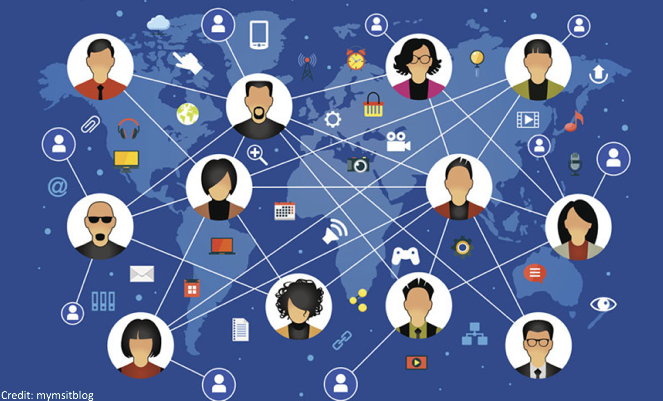
Digital communities have changed the way people communicate, learn, work, and share ideas. In the past, most communities were formed through local meetings, schools, workplaces, or social groups. Today, people can connect with others across the world through websites, apps, forums, and social media platforms.
The growth of digital communities has made it easier for people with similar interests to find one another. These online groups may focus on business, gaming, education, entertainment, health, art, technology, or personal hobbies. Members can share knowledge, solve problems, and build strong relationships without meeting face to face.
What Are Digital Communities?
A digital community is a group of people who connect and interact online. These people usually share a common interest, goal, profession, or experience. They may communicate through social media groups, online forums, private messaging apps, gaming platforms, or professional networks.
Some digital communities are open to everyone, while others require approval or membership. For example, a public Facebook group may allow anyone to join. A private business network may only accept professionals from a certain industry.
Digital communities can be small or very large. Some have only a few hundred members, while others include millions of people from different countries.
Discover the Cute Dog Profile Pictures featuring adorable puppies, fluffy dogs, funny faces, and sweet expressions. These profile pictures are perfect for anyone who wants a friendly and cheerful look on their social media, gaming, or messaging profile. Choose a playful puppy, a sleepy dog, or a lovable pet portrait to give your profile a warm and adorable appearance.
Why Digital Communities Are Growing
One major reason for the growth of digital communities is easy internet access. Smartphones, computers, and affordable internet services allow more people to connect online. Users can join discussions, watch live events, and share content at any time.
Social media has also played an important role. Platforms such as Facebook, Reddit, Discord, LinkedIn, and Telegram help people create groups based on shared interests. These platforms provide useful tools for posting updates, sharing images, hosting live chats, and managing members.
Another reason is the need for connection. Many people want to find others who understand their interests or experiences. Digital communities give users a place where they can express themselves and feel accepted.
The Role of Shared Interests
Shared interests are the foundation of most online communities. People often join groups because they enjoy the same type of content, activity, or lifestyle. A person who loves photography may join an online photography group. A student may enter a study community to get help with difficult subjects.
Creative interests have also created many unique communities. For example, users who enjoy profile design, online identity, and digital art may share cat themed avatars, custom illustrations, or animated profile images. These visual elements help members show their personality and feel connected to the group.
When people share a strong interest, they are more likely to take part in discussions. They may ask questions, provide advice, post useful resources, or support other members.
Digital Communities and Learning
Online communities have become powerful learning spaces. Students can join study groups, attend online classes, and ask questions from people around the world. Professionals can also join industry groups to learn about new tools and trends.
Many communities offer free guides, videos, webinars, and expert discussions. Members often share their personal experience, which can help others avoid common mistakes. This type of learning feels more practical because it comes from real people.
Digital communities are also useful for language learning. Users can practice speaking and writing with native speakers. They can receive quick feedback and improve their communication skills.
Business Benefits of Online Communities
Businesses use digital communities to build stronger relationships with customers. A brand may create an online group where customers can ask questions, share reviews, and learn about new products.
These communities also help companies understand what customers need. By reading comments and discussions, businesses can find common problems and improve their services. Loyal community members may also promote the brand by sharing positive experiences.
Small businesses can benefit greatly from online communities. They can connect with potential customers without spending a large amount on traditional advertising. A helpful and active presence can build trust over time.
Support and Emotional Connection
Digital communities are not only about information. They can also provide emotional support. People facing similar challenges often feel more comfortable speaking with others who understand their situation.
Support groups may focus on parenting, career stress, education, personal development, or major life changes. Members can share their stories and receive encouragement. This support can make people feel less alone.
However, users should still protect their privacy. They should avoid sharing sensitive personal details with strangers and use secure platforms whenever possible.
Challenges of Digital Communities
Although digital communities offer many benefits, they also face challenges. False information can spread quickly when users share content without checking facts. Arguments and harmful comments may also create an unsafe environment.
Community managers must set clear rules and remove harmful content. Strong moderation helps keep discussions respectful and useful. Members should also learn how to report spam, scams, and abusive behavior.
Another challenge is too much screen time. Spending many hours online can affect sleep, work, and personal relationships. People should create a healthy balance between digital interaction and offline activities.
The Future of Digital Communities
Digital communities will likely become more interactive in the future. Virtual reality, artificial intelligence, live video, and digital events may create new ways for members to connect.
Users may attend virtual meetings, visit online spaces, and interact through digital characters. Businesses, schools, and creators will continue to build private communities for their audiences.
Trust and safety will remain important. Platforms will need better tools to protect users, manage content, and reduce false information. Communities that offer real value and respectful communication will continue to grow.
Conclusion
The growth of digital communities has created new opportunities for communication, education, creativity, business, and support. People can now connect with others who share their interests, even when they live far apart.
Strong digital communities depend on active members, useful content, clear rules, and mutual respect. As technology improves, these communities will become even more important in daily life. They will continue to shape how people build relationships, exchange ideas, and express themselves online.
