

In the world of journalism, there are voices that stand out not only for the stories they tell but for the way they tell them. One such voice is the Hugo Bachega accent. It’s not just an accent; it’s a signature that brings clarity to complex stories. When he speaks, it’s clear that his voice carries the weight of a career shaped by history, movement, and the deep identity of a correspondent who has crossed many borders in his pursuit of the truth.
Listening to his voice, many not only follow the news but also pay attention to the unique cadence that sets him apart. His accent reflects a blend of places and experiences from Brazil to London and Kyiv, symbolizing the shrinking distance between these cultures and their stories.
The Hugo Bachega accent is much more than just a curiosity; it’s a representation of how a voice can become a passport to stories that transcend borders.
Who Is Hugo Bachega?
Hugo Bachega is a highly skilled and respected BBC correspondent with a career that spans across multiple continents. He has built his reputation by covering some of the world’s most intense and emotionally charged events, including conflict zones, political upheavals, and humanitarian crises.
His work is marked by a calm, composed delivery, even during breaking news coverage, which makes him stand out as one of the most recognized faces in international news reporting today.
- Hugo Bachega brings a unique blend of balance, depth, and cultural sensitivity to his reporting, making each story he covers thoughtful and impactful.
- His experience spans decades, with a focus on providing both cultural awareness and empathy in every story he shares.
- Whether reporting from the frontlines or analyzing a political shift in South America, his global perspective shines through. His approach reflects a new generation of journalists who are adaptable, instinctive, and deeply professional.
| Quick Facts | Details |
| Network | BBC News |
| Role | Foreign Correspondent |
| Native Language | Brazilian Portuguese |
| Accent Type | Neutral Global English |
| Key Reporting Areas | Ukraine, Middle East, South |
By always staying true to his values of empathy, professionalism, and sensitivity, Hugo Bachega has earned the respect of both British and international audiences.
Hugo Bachega’s Personal Life: Partner, Marriage, and Wedding
Hugo Bachega’s personal life has often captured the attention of his audience. His relationship with his partner has been a cornerstone of support throughout his career. The couple shares a deep bond of love and respect, which is evident in their public appearances.
- Hugo Bachega has always kept his personal life relatively private, making his wedding a special and intimate occasion.
- The ceremony was attended by close family and friends, reflecting the elegance and understated nature of their relationship.
- His marriage speaks volumes about his commitment to his partner and the value he places on the institution of marriage.
In summary, Hugo Bachega‘s private life mirrors his public persona: graceful, dedicated, and full of respect for the people closest to him.
A Multicultural Background: Roots of His Accent
Hugo Bachega’s unique accent is the result of a rich, multicultural background. Born in Brazil, his first language was Brazilian Portuguese, and the rhythms of Latin culture have subtly shaped his speech. This influence is evident in his vowel sounds and the overall rhythm of his speech, which still carries a distinct Brazilian warmth.
| Background Element | Influence on Accent |
| Born in Brazil | Brazilian rhythm and vowel sounds |
| Moved to the UK | British pronunciation patterns |
| Worked across Middle East | Exposure to multilingual environments |
| International upbringing | Neutral, globally accessible English |
His career journey took him to the BBC in the United Kingdom, where he had to adapt to a more formal English language setting. Over the years, his professional experiences across South America, Europe, and the Middle East exposed him to a variety of languages, accents, and tones, further enriching his voice.
These diverse environments contributed to the development of his multicultural background, which is a key element in his distinctive accent today.
- Brazilian Portuguese influences his speech rhythm and vowel sounds.
- His time in the UK added British Received Pronunciation (RP) elements to his speech.
- His multicultural background is the most significant factor that makes his accent stand out.
This blend of influences has created a layered and unique accent that continues to captivate audiences around the world.
The Blend of Tones in Hugo Bachega Accent
Hugo Bachega’s accent stands out for its unique blend of linguistic influences. His speech is a combination of British Received Pronunciation (RP), Brazilian Portuguese undertones, and neutral global English, resulting in a voice that feels polished yet personal.
| Accent Element | Source | Effect on Listeners |
| British Received Pronunciation (RP) | BBC training, UK life | Sounds authoritative and polished |
| Brazilian Portuguese undertones | Native language roots | Adds warmth and gentle rhythm |
| Neutral Global English | International career | Easy to understand worldwide |
- British Received Pronunciation (RP) brings precision and clarity to his delivery, lending credibility to his speech.
- The Brazilian Portuguese influence adds a gentle warmth to his tone, making his voice feel approachable and friendly.
- His neutral global English makes his speech easily understandable to a global audience, regardless of their linguistic background.
This distinctive blend creates a rhythmic flow, which viewers often describe as soothing, allowing his accent to transcend borders and connect with listeners around the world.
Career Journey: From Brazil to the BBC
Hugo Bachega started his journalism career in Brazil, covering political affairs and social issues for local media. His sharp storytelling skills were evident from the start, which caught the attention of international broadcasters early in his career.
He later joined BBC News, which marked a significant expansion of his professional journey. Notably, he reported on the Russian invasion of Ukraine, displaying remarkable composure in the field. His reports from the Middle East also highlighted his cultural awareness, showing his ability to understand complex geopolitical issues.
- Hugo Bachega’s career is a testament to his growth in global journalism.
- His BBC News career stands as a reflection of his evolution in international reporting.
- His cultural understanding has been a key element in his coverage of South American politics and other regions.
Why Viewers Notice Hugo Bachega Accent
Hugo Bachega’s voice stands out because of his unique accent. It’s a blend that doesn’t fit neatly into any well known category, making it memorable. His on air delivery is particularly noticeable, as it remains calm and clear, even during the most intense breaking news events. This distinct accent is a major reason why viewers find his voice not only easy to follow but also trustworthy.
- Viewers across different cultures appreciate his voice for its warmth and clarity, which naturally builds trust.
- His accent does not match any single regional sound, which helps it stand out.
- Audiences find his delivery accessible, adding to the effectiveness of his reporting.
- His speech style reflects the shift toward inclusivity in modern broadcasting, allowing a wider audience to connect.
Overall, Hugo Bachega’s unique accent and delivery style contribute significantly to his appeal, making him a reliable and engaging presence on air. His accent is often highlighted in comments across platforms like Twitter and YouTube, with viewers noting how easily it captures attention.
Key Traits That Define His Accent
Hugo Bachega’s speaking style stands out due to a few key features that contribute to his effectiveness as a global news reporter. His neutral pronunciation ensures that his delivery is clear and easily understood by audiences around the world. This is especially important in international news coverage, where clear communication is crucial.
His controlled tone plays a significant role in building trust, particularly when reporting on high stress situations, such as conflict zones. Even under pressure, his voice remains steady, which helps listeners feel more confident in the accuracy and reliability of his reports.
| Key Trait | Description |
| Neutral Pronunciation | Clear, well balanced English that sounds natural across regions. |
| Controlled Tone | Steady and composed, even when covering breaking or high pressure situations. |
| Rhythmic Flow | A soft, lilting tone shaped by a subtle Brazilian accent. |
| Cultural Adaptability | Naturally adapts to meet the needs of different audiences. |
Another defining characteristic is his rhythmic flow. His speech is not only steady but also pleasant to listen to, making complex news easier to absorb. This natural cadence helps maintain the audience’s attention and ensures the message is delivered smoothly.
Lastly, cultural adaptability is at the core of his communication approach. Hugo’s ability to adjust his tone and delivery based on the context and the audience’s needs reflects his deep understanding of global communication. This adaptability allows him to connect with diverse audiences and build rapport wherever he reports from.
- Neutral pronunciation ensures global accessibility.
- Controlled tone boosts listener confidence.
- Rhythmic flow makes his delivery pleasant and easy to follow.
- Cultural adaptability allows him to connect with audiences across different backgrounds.
Accents in International Journalism: A Broader Context
In the past, the British Received Pronunciation (RP) was considered the hallmark of professional broadcasting, especially at the BBC News. This formal, upper class accent dominated as the global standard in journalism. However, as global media organizations expanded their reach, the singular standard of RP began to feel limiting, as it didn’t represent the diversity of the audience.
Today, there is a clear shift towards accent inclusivity, with networks like the BBC News now celebrating journalists from various linguistic backgrounds. This change reflects a broader, more inclusive approach to broadcasting, moving away from a uniform standard to a more diverse and authentic representation of voices.
- Journalists with Latin American accents are now taking on more prominent roles, helping to diversify the global media landscape.
- The rise of multicultural voices, like that of Hugo Bachega, shows how journalism evolution has allowed for the inclusion of Brazilian Portuguese roots and neutral global English, alongside traditional accents.
This shift in the media is not just about linguistic diversity but about creating a more representative future for broadcasting. The presence of such voices is a signal of a more inclusive and varied media world.
Audience Reactions and Social Media Buzz
Hugo Bachega’s accent has been a topic of widespread conversation on social media, particularly on Twitter and YouTube. Many users have described his voice as “soothing” or “impossible to place,” highlighting how unique and calming his delivery style is. His accent sparks a lot of discussion in YouTube comment sections, where viewers often focus on his distinctive accent rather than the content itself.
Audience reactions to his voice emphasize the emotional connection it fosters, showcasing how delivery can elevate a news report beyond the mere sharing of information. This emotional trust is what sets his reporting apart.
- His accent creates a sense of comfort and familiarity for global audiences.
- The discussions around his voice are a testament to the impact of tone in news reporting.
- Social media buzz surrounding his accent continues to grow, proving its resonance with viewers worldwide.
In an age where digital content is abundant, Hugo Bachega’s accent becomes more than just a way of speaking it becomes an integral part of his storytelling, making his coverage on BBC News feel more human and accessible to millions.
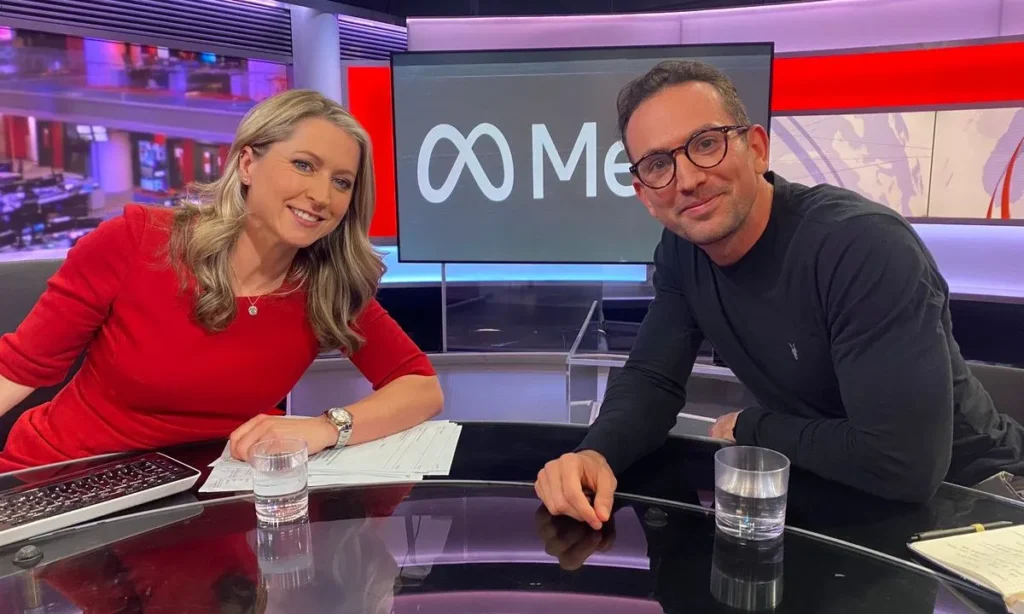
Voice as Authority: The Hidden Power in Speech
In journalism, tone plays a crucial role. A small change in inflection can convey a wide range of emotions such as fear, urgency, compassion, or neutrality. Hugo Bachega’s voice captures this subtlety perfectly. His delivery avoids unnecessary drama, focusing instead on measured realism.
The power of his delivery lies in its authenticity. His voice does not need to oversell the story; it simply brings the scene to life with clarity and understanding. It’s a voice that says, “I’ve been here, I’ve seen this, and I understand what matters.”
- Tone and inflection can shift a story’s emotional weight.
- His voice brings realism without exaggeration.
- Trust is earned through his calm, honest delivery.
- The truth comes through clearly with every broadcast.
In every moment, Bachega’s approach creates a connection, making his voice a trusted source of information for audiences.
Hugo Bachega’s Communication Skills Beyond His Accent
Hugo Bachega is known for his exceptional storytelling skills, which transform complex events into relatable narratives. He doesn’t just report facts; he gives them meaning, context, and emotional depth, making it easy for audiences to connect with the stories.
- His empathy stands out, especially in reports on humanitarian crises, where he takes the time to truly understand and listen to the people affected by conflict.
- Bachega’s ability to maintain composure in intense situations, such as reporting from conflict zones, allows him to consistently deliver accurate and balanced stories.
- His communication skills go beyond just his accent; they reflect his integrity and character as a journalist. He brings fairness and sensitivity to his reports, especially in difficult situations like those in the Middle East and Ukraine.
In every report, Bachega shows how powerful storytelling and empathy can be when combined with professionalism, creating a journalist who not only informs but also genuinely communicates with his audience.
Lessons from Hugo Bachega Accent and Career
The story of Hugo Bachega’s career offers key takeaways for anyone looking to excel in journalism or public speaking. One of the core lessons he demonstrates is that clarity in communication is far more valuable than striving for a “perfect” accent. His ability to convey his message effectively across different cultures highlights the importance of speaking clearly and authentically.
- Clarity in language delivery allows your message to be understood universally, regardless of accent or regional influences.
- His cultural adaptability has been crucial in bridging diverse audiences. By embracing his Brazilian Portuguese roots while honing a neutral global English, Hugo has crafted a communication style that speaks to everyone.
Aspiring communicators can learn much from his approach. His career shows that cultural adaptability is not just a nice to have skill, but an essential one for anyone in global communication.
- Embracing a multicultural background can be a tremendous asset, particularly in global journalism, where understanding diverse perspectives can help build trust and create stronger connections with audiences.
- His journey also emphasizes the importance of empathy and storytelling, which go hand in hand with technical language skills. It’s not just about what you say, but how you make people feel and understand the story you’re telling.
In conclusion, authentic communication is what truly helps you resonate with audiences. Hugo Bachega proves that when you communicate with sincerity, you build trust and foster deeper connections, making your voice heard across cultures.
Conclusion
In today’s interconnected world, voices like Hugo Bachega’s accent are shaping the way we experience news. These voices don’t conform to a single mould, which makes them stand out and matter in today’s media landscape.
The Hugo Bachega accent is more than just a way of speaking; it’s a reflection of our evolving global environment. It carries with it the essence of cultural layering, the grit of journalism, and the determination to defy expectations. His voice isn’t just about telling a story it also conveys the unique perspective of the storyteller.
In this fast paced world, these voices are vital because they show how world events and cultural influences are intertwined. They prove that being different is not only valuable but necessary to create a deeper connection with audiences. The layered voice is not just about the content; it’s about how the message is heard and understood across the globe.
Frequently Asked Questions
Who is Hugo Bachega?
Hugo Bachega is a BBC correspondent known for his international reporting on conflict zones and political affairs.
What is Hugo Bachega’s accent?
Hugo Bachega’s accent blends British, Brazilian Portuguese, and global English influences, making it unique and widely accessible.
Where did Hugo Bachega grow up?
Hugo Bachega grew up in Brazil, where he was exposed to Brazilian Portuguese and its cultural nuances.
What is Hugo Bachega known for?
Hugo Bachega is recognized for his calm and measured reporting from crisis zones, such as Ukraine and the Middle East.
What languages does Hugo Bachega speak?
Hugo Bachega speaks Brazilian Portuguese as his native language and is fluent in English for his international news reporting.
Has Hugo Bachega covered major global events?
Yes, Hugo Bachega has reported on significant global events, including the Russian invasion of Ukraine and Middle Eastern conflicts.
Where does Hugo Bachega work?
Hugo Bachega works as a foreign correspondent for BBC News, covering international news and current affairs.
What makes Hugo Bachega’s accent special?
Hugo Bachega’s accent is a distinctive mix of British, Brazilian, and neutral English, making it relatable and easily understood worldwide.
How does Hugo Bachega approach his reporting?
Hugo Bachega approaches reporting with empathy, cultural sensitivity, and a focus on providing in depth analysis of global issues.
Why is Hugo Bachega’s voice memorable?
Hugo Bachega’s voice is memorable due to its clarity, calmness, and the unique blend of his background in both Brazilian and global English.
