

Key Takeaways
- The best powertrain depends on driving habits, travel distance, cargo needs, and access to charging.
- Gas vehicles are quick to refuel and work well for many long-distance drivers.
- Traditional hybrids can lower fuel use without requiring regular plug-in charging.
- Plug-in hybrids offer short electric trips with gasoline backup for longer drives.
- Electric vehicles are easiest to own when dependable charging fits naturally into the week.
- Insurance, maintenance, tires, financing, and resale value matter alongside the purchase price.
Choosing a vehicle is easier when the decision starts with your real routine instead of a badge, color, or trend. The right fit depends on how far you drive, who and what you carry, where you park, and how easily you can refuel or charge. For help narrowing down options that suit your needs, learn more about the available vehicles and features before committing to a single powertrain.
A gas vehicle, hybrid, plug-in hybrid, or battery-electric vehicle can all make sense for everyday driving. The important question is not which option is best in general. It is the one that makes the most sense for your budget, commute, household, and longer trips.
Start With Your Daily Routine
Write down a normal week of driving before comparing models. Include commuting, school runs, errands, weekend activities, and regular highway travel. Then identify your busiest typical day. A vehicle that works only for a light weekday may feel too small, too inconvenient, or too expensive once family trips, work equipment, pets, or passengers are involved.
Also consider conditions that change the equation. Frequent towing, mountain driving, winter weather, unpaved roads, and long road trips can affect which vehicle and powertrain feel practical. Plan around your needs repeatedly, not a rare use case that could be solved with a rental.
Compare The Four Main Powertrains
Gas-Powered Vehicles
Gas-powered vehicles remain a straightforward choice for drivers who want quick refueling, broad station availability, and uncomplicated long-distance travel. They can also have a lower initial price than similarly sized hybrid or electric alternatives. The trade-off is usually higher fuel use and more routine engine-related service over time.
Traditional Hybrids
Traditional hybrids combine a gasoline engine with electric assistance and typically recharge their smaller battery while driving. They are especially useful in stop-and-go traffic and mixed city-highway use, where they can reduce fuel consumption without asking the owner to plug in. For households without home charging, that convenience can be a major advantage.
Plug-In Hybrids
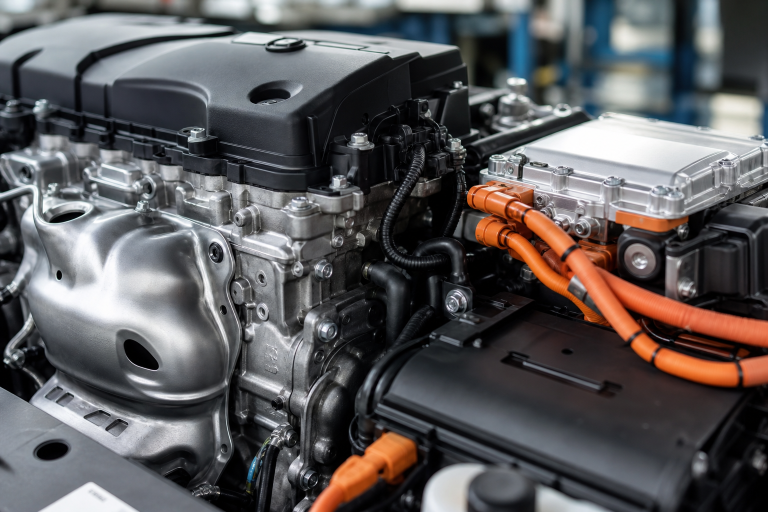
Plug-in hybrids can handle some local driving on electricity, then rely on gasoline for longer trips. They are a flexible middle ground for drivers who can charge consistently and want electric capability without having to plan every highway stop around charging. If charging is rare, however, the extra cost and weight may offer less value.
Battery-Electric Vehicles
Battery-electric vehicles operate on stored electricity, offer quiet acceleration, and eliminate gasoline purchases. Their practicality depends less on the maximum advertised range than on your everyday range needs and charging routine. Highway speeds, cold temperatures, heavy cargo, steep terrain, and towing can reduce the distance available between charges.
Look Beyond The Sticker Price
Compare total ownership costs, not just monthly payments. Include the down payment, loan rate, insurance quote, expected fuel or electricity use, maintenance, tires, registration, and likely resale value. An EV may cost less to energize and maintain, while a hybrid may deliver strong fuel savings with a lower purchase price. A gas model could still be the better fit if it meets your needs at a substantially lower upfront cost.
Use the fuel-cost comparison tools to review estimated operating expenses across gas, hybrid, plug-in hybrid, and electric vehicles. For example, a short daily commute may make an efficient hybrid more economical than a higher-priced EV if home-charger installation, financing, and insurance erase much of the expected savings.
Check Charging Access Before Choosing An EV
Charging should be a practical part of the buying process, not an afterthought. Start by checking whether you can charge overnight at home, either through a standard outlet or dedicated equipment. Next, look at charging near work, apartments, shopping areas, and regular travel routes. Public charging can be useful, but relying on it for every charge may add time and uncertainty.
Think about your schedule as well. Overnight charging can make an EV feel nearly effortless for many drivers. Regularly needing to charge away from home requires more planning, particularly during road trips or busy weeks. Compare the expected charging time with the breaks you already take, rather than assuming every station stop will be equally convenient.
Match Vehicle Size To Real Needs
- Compact cars: Useful for commuting, easy parking, and lower operating costs.
- Small SUVs: Offer a higher seating position and adaptable cargo room without excessive bulk.
- Midsize SUVs: Often provide a balanced option for families, travel, and everyday gear.
- Three-row SUVs: Make the most sense when the extra seating is used often, not only once or twice a year.
- Pickup trucks: Are practical for recurring hauling, towing, job-site equipment, or bed space needs.
A larger vehicle can mean higher fuel use, tire replacement costs, insurance premiums, and parking challenges. Choose extra space because it solves a repeated problem, not because it seems safer or more versatile on paper.
Review Safety And Driver-Assistance Features
Check safety information for the exact model year and configuration you are considering. Features can vary by trim, package, drivetrain, and even production period. The vehicle safety ratings can help you review crash-test results and recall information before making a final decision.
Look for automatic emergency braking, blind-spot alerts, lane guidance, rear cross-traffic alerts, and a clear rearview camera. Then sit in the vehicle and test visibility yourself. If you use child seats, bring one along to check rear-seat access, attachment points, and front-seat room.
Use A Smarter Test-Drive Process
- Adjust the driver’s seat, steering wheel, mirrors, and controls before leaving the lot.
- Check rear-seat legroom behind your normal driving position.
- Bring a work bag, stroller, cooler, or sports gear to test the cargo area when possible.
- Drive on both local streets and highways to assess ride quality, road noise, braking, and acceleration.
- Practice parking, check turning space, and try the infotainment and climate controls without assistance.
- For electrified vehicles, locate the charge port and ask how charging fits the vehicle’s routine.
Questions To Ask Before Buying
- What will this vehicle cost to operate each month?
- Does its powertrain match my normal weekly driving pattern?
- Is the cargo area large enough for the busiest regular use?
- Which safety and convenience features are standard, and which cost extra?
- What warranty coverage applies to the vehicle and battery?
- How will it perform during cold weather, highway travel, or towing?
- Would a used model provide better overall value within the same budget?
Final Thoughts
The best vehicle is the one that fits your actual life with the fewest compromises. Compare several powertrains, calculate the complete ownership picture, confirm safety features, and complete a practical test drive. Whether you choose gas, hybrid, plug-in hybrid, or electric, a decision based on daily habits will be more useful than one based on a single specification or trend.
