

Key Takeaways
- THCA is a non-psychoactive compound found in raw cannabis that does not induce a high.
- It may deliver health benefits such as anti-inflammatory and neuroprotective effects.
- Consumption methods that avoid heat help retain THCA’s natural properties.
- Proper storage is essential to preventing THCA from converting to THC.
Adding THCA flower to your daily wellness regimen provides a promising approach to health for those seeking natural remedies without the intoxicating effects of traditional cannabis. With a growing body of research supporting its therapeutic potential, learning the safest ways to use THCA is becoming a priority for health-conscious consumers. Whether you are new to cannabinoids or looking to fine-tune your self-care strategy, this guide covers best practices and safety considerations to help you make informed decisions. For those interested in exploring high-quality options, you can shop premium THCA flower online from reliable sources.
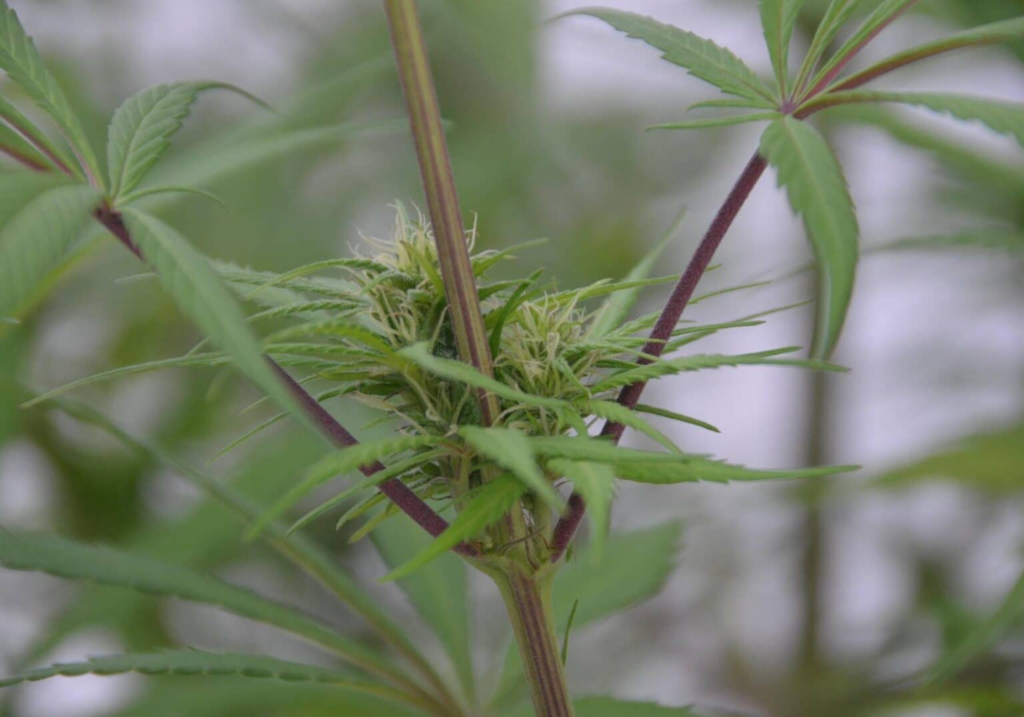
As interest grows in cannabinoids that provide benefits without altering mental clarity, THCA is emerging as a standout compound. THCA flower, when handled and consumed correctly, maintains its non-psychoactive state and offers unique effects that differ from traditional THC products. Most importantly, integrating THCA into your routine requires preparation, storage, and consumption methods that preserve its benefits.
Understanding THCA
THCA, or tetrahydrocannabinolic acid, is the chemical precursor to THC. While THC is famous for its psychoactive properties, THCA occurs naturally in raw or unheated cannabis and does not deliver a psychoactive experience. Research indicates that THCA may offer several wellness-enhancing properties, including anti-inflammatory effects, nausea relief, and neuroprotective activity.
Unlike THC, THCA molecules do not bind with cannabinoid receptors in the brain, making it a favored choice for users keen on wellness without impairment. Clinical studies continue to investigate THCA’s potential in helping with conditions involving inflammation, pain, or digestive imbalances. However, much of the supporting data remains preliminary and comes from animal studies or anecdotal reports. Expanding on its non-intoxicating nature, many holistic health practitioners recommend exploring raw cannabis as part of a well-balanced daily routine, emphasizing gradual introduction and regular monitoring for individual response.
Safe Methods for Incorporating THCA Flower
Juicing Raw Cannabis
Juicing is a popular and straightforward way to obtain THCA’s potential health benefits. By blending fresh cannabis leaves or buds together with fruits and vegetables, you can preserve THCA’s raw form. The lack of heat in this process ensures that THCA will not convert into THC, making juicing ideal for those seeking only the therapeutic effects. Many health enthusiasts add juiced cannabis to their morning smoothies, which can be customized to mask the sometimes bitter taste of raw leaves. Experimenting with different fruit and vegetable combinations can also enhance both the flavor and nutritional profile of your juice, making it more palatable and nutritious.
Using THCA Tinctures
For more precise dosing and convenience, THCA tinctures have become increasingly popular. These are liquid extracts obtained without heat. When taken sublingually (under the tongue), tinctures provide quick absorption and targeted effects for users dealing with inflammation or chronic pain. Individuals new to tinctures should start with a low dose, as absorption rates can vary.
Applying THCA Topicals
For individuals interested in localized relief, topical products infused with THCA offer a practical option. These creams, balms, and patches are designed for direct skin application, making them valuable for issues such as joint discomfort or certain inflammatory skin conditions. Because THCA topicals do not reach the bloodstream, users experience symptom relief without psychoactivity or risk of systemic side effects. Regular application may also promote skin health, and some users find that combining topicals with other forms of THCA intake provides comprehensive benefits.
Adding Raw Cannabis to Foods
THCA flower can also be incorporated into foods, especially salads and cold dishes. Adding small amounts of raw cannabis leaves to salads, wraps, or cold smoothies allows users to benefit from THCA while avoiding any psychoactive properties that result from heating or cooking. Care should be taken to thoroughly wash and properly source your flowers to avoid contaminants. As you experiment, you may discover that the fresh, earthy flavor of cannabis pairs well with other greens and a variety of dressings, opening up new culinary possibilities.
Dosage and Safety Considerations
Whenever you introduce a new element to your wellness routine, understanding proper dosage is essential. Because THCA’s effects can be subtle, and research into long-term impact in humans is still progressing, it is best to start small. Begin with modest amounts of flower or tincture and monitor for reactions. Those with pre-existing medical conditions or taking other medications should consult a healthcare provider before starting THCA supplementation. More guidance is available from reputable health sites, such as WebMD’s primer on THCA. Keep in mind that every individual’s endocannabinoid system is unique, causing variations in response even at low doses, so personal observation and careful adjustment are key.
Storage and Preservation of THCA Flower
Exposure to light, heat, or air can cause THCA to decarboxylate (convert) into THC, which alters the flower’s fundamental nature. To maintain its potency, always store THCA flower in airtight glass jars in a cool, dark place. Avoid plastic containers that can transfer odors or compromise freshness. Checking for visible contamination or spoilage is also important when storing cannabis for longer periods. For those who want to further protect their THCA flower, storing the product with a small humidity packet can help preserve freshness and prevent mold, ensuring longer-lasting quality and efficacy.
Legal Considerations
The legal status of THCA varies by region and country. In some areas, THCA flower may be regulated similarly to hemp or CBD; in others, any form of cannabis is controlled under strict statutes. Always review local regulations before sourcing or transporting THCA products to stay compliant. Reliable retailers provide transparency about product content and sourcing to help consumers navigate varying laws. Staying informed about changing regulations is crucial, as legal interpretations can shift with new research, court rulings, or updated guidelines.
Conclusion
Incorporating THCA flower into your wellness strategy can provide naturally derived support for inflammation, pain, and other health concerns without the psychoactive effects of THC. Through methods such as juicing, tinctures, topicals, and adding raw leaves to daily meals, you can experience the compound’s benefits safely and effectively. With proper attention to dosage, storage, and compliance with local laws, THCA flower opens a new path for those looking to enhance their holistic health routine. Embracing ongoing research and staying connected to reliable information will further empower your journey toward mindful, natural wellness.
